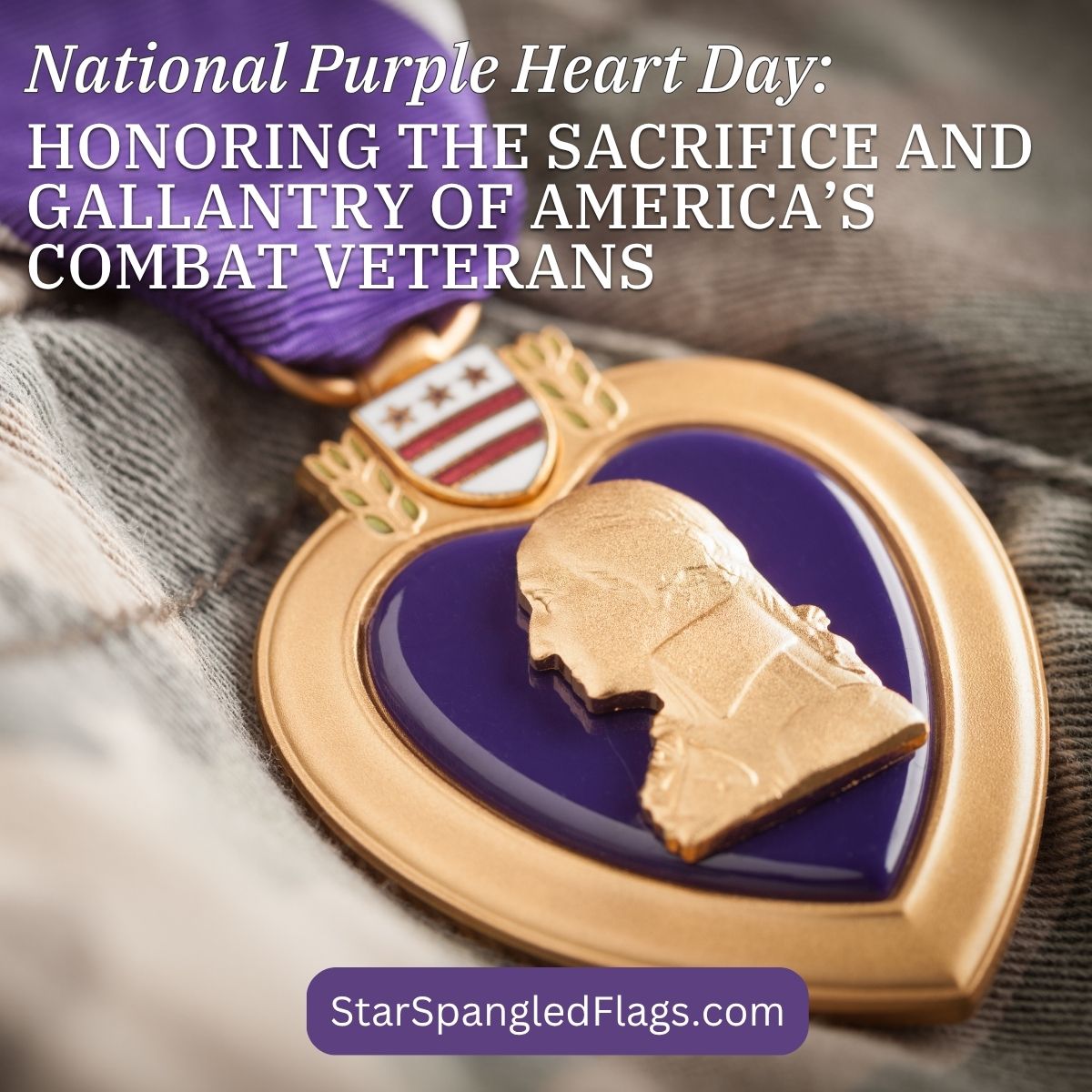
Every year on August 7th, communities across the nation pause to observe National Purple Heart Day. This poignant day of recognition serves a vital purpose: to honor the incredible sacrifice and bravery of the men and women who have been wounded or killed in the line of duty. As the oldest military award still given to U.S. military members, the Purple Heart is more than just a piece of polished metal and ribbon. It is a symbol of sacred honor, representing the blood spilled and the lives altered in defense of American liberty. On National Purple Heart Day, we reflect on the heavy cost of freedom and pay tribute to the combat wounded veterans and fallen heroes who have given so much to protect the United States.
The Origins of the Purple Heart: From George Washington to the Badge of Military Merit
To understand the deep emotional weight of the Purple Heart, one must look back to the birth of the nation. The medal’s lineage is directly tied to the foundational moments of American military history.
1782: General George Washington’s Vision
The story of the modern Purple Heart begins during the final chapters of the Revolutionary War. On August 7, 1782, at his headquarters in Newburgh, New York, General George Washington established the Badge of Military Merit. Washington sought a way to recognize ordinary soldiers who demonstrated exceptional valor—a revolutionary concept at a time when military decorations were typically reserved for high-ranking officers.
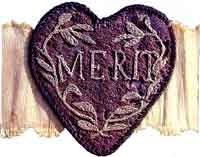
Washington’s intent was to honor “meritorious service” and “singularly meritorious action” performed by enlisted men. The original design was simple yet elegant: a heart-shaped piece of purple cloth or silk, edged with narrow lace or binding, to be worn on the left breast of the uniform coat. It was the first time in western military history that common soldiers were eligible for such prestigious military honors. Only three soldiers are historically documented to have received this original Badge of Merit: Sergeant Elijah Churchill, Sergeant William Brown, and Sergeant Daniel Bissell Jr.
A Century of Silence: The Award’s Dormancy
Following the end of the Revolutionary War in 1783, the Badge of Military Merit quietly fell into disuse. For nearly 150 years, the award remained dormant through some of the nation’s most defining conflicts, including the War of 1812, the American Civil War, and World War I. While other decorations like the Medal of Honor were established during this interim, the specific concept of Washington’s purple heart lay forgotten in official military archives. It would take a milestone national anniversary and the determination of a future military giant to resurrect the award from the pages of history.
The 1932 Bicentennial: The Revival of a Legend
The path back to prominence for this historic decoration began in the early 20th century, culminating in a dramatic rebirth during a period of national remembrance.
General Douglas MacArthur and the Rebirth
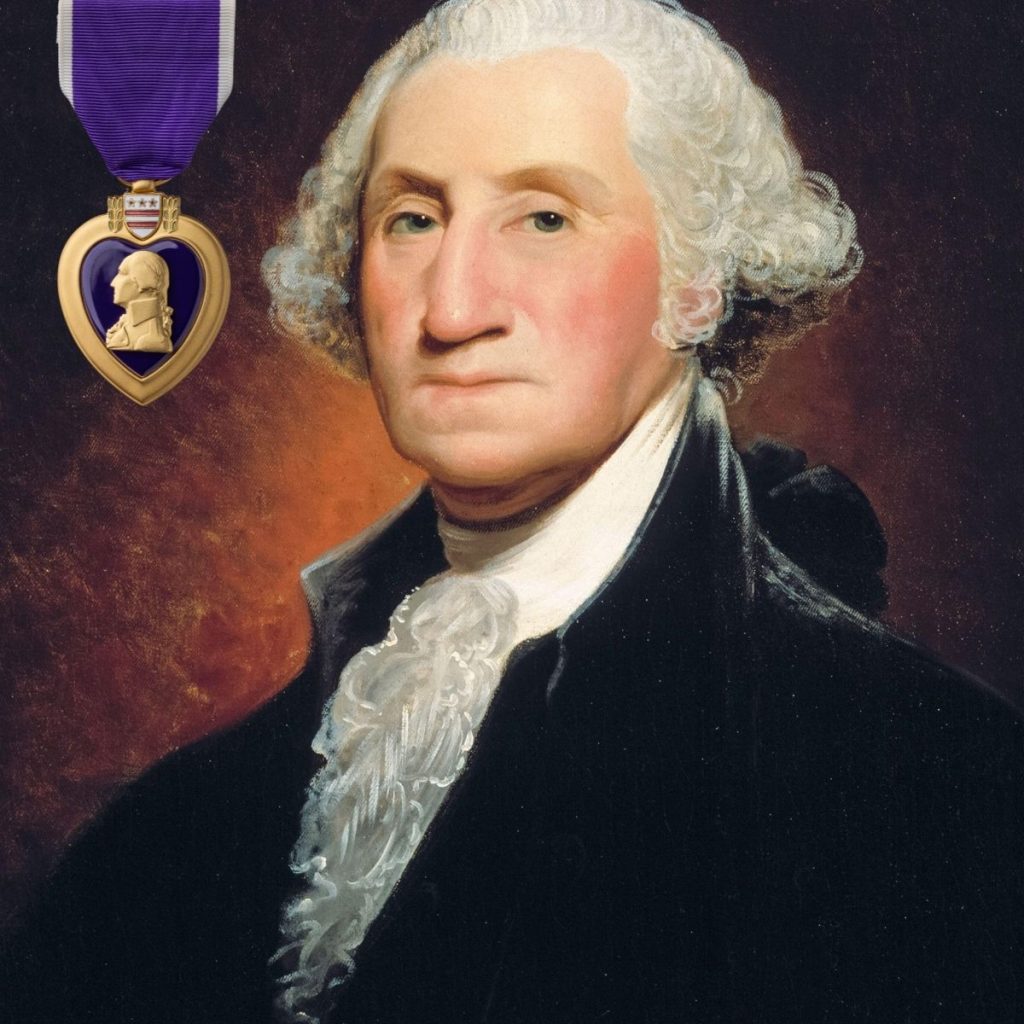
In the early 1930s, General Douglas MacArthur, then serving as the U.S. Army Chief of Staff, championed the effort to revive the historic decoration. MacArthur recognized that the military needed a distinct way to honor those who had suffered physical harm in battle. He timed the official revival to coincide with the bicentennial (200th anniversary) of George Washington’s birth in 1932.
To bring the legendary award into the modern era, the design was completely updated. Elizabeth Will, a skilled heraldic specialist in the Office of the Quartermaster General, was tasked with designing the modern shield-shaped medal. Will designed a beautiful, gold-bordered purple heart featuring a bust of George Washington in profile, with his family coat of arms proudly displayed at the top of the shield.
Redefining the Criteria: From Merit to Sacrifice
With its revival in 1932, the Purple Heart underwent a profound shift in purpose. It transitioned from its original 1782 definition as a reward for general “meritorious service” to a decoration specifically designated for service members who were Wounded in Action (WIA) or Killed in Action (KIA). Rather than being awarded for subjective acts of performance, the Purple Heart became an objective testament to physical sacrifice endured during combat against an armed enemy.
Eligibility and Criteria: Who Receives the Purple Heart?
Today, the Purple Heart is awarded under strict, standardized military guidelines. It is a unique decoration because individuals do not “win” or get recommended for it through command channels; rather, they earn it by meeting specific, objective criteria.
Defining “Wounded in Action” (WIA) and “Killed in Action” (KIA)
The primary criteria for receiving the Purple Heart require that a service member is wounded or killed as a direct result of enemy action. The physical injury must have required formal treatment by a medical officer, and the injury must be documented in official military medical records. Posthumous awards are presented to the families of those killed in action, serving as a lasting symbol of their loved one’s ultimate sacrifice.
Expansion via Executive Orders
The eligibility criteria for the Purple Heart have evolved significantly over the years, often modified by U.S. Presidents through Executive Orders to reflect the changing nature of warfare.
- Executive Order 9277 (1942): President Franklin D. Roosevelt signed this order, expanding the Purple Heart’s eligibility to members of the Navy, Marine Corps, and Coast Guard. Previously, it had been exclusive to the Army.
- President John F. Kennedy’s Influence: President John F. Kennedy remains the only U.S. President to have been awarded a Purple Heart, which he received for his heroic actions and severe back injuries sustained in the Pacific during World War II when his PT-109 boat was sunk by a Japanese destroyer.
- Modern Expansions: Subsequent Executive Orders have expanded the award’s scope to include service members injured or killed by Friendly Fire (under specific combat conditions) as well as victims of domestic or international terrorism, ensuring that those targeted by enemies of the state receive the military honors they deserve.
Recognition Across the Armed Forces
The Purple Heart is recognized universally across all branches of the United States Armed Forces. Active duty, National Guard, and Reserve service members from the Army, Navy, Air Force, Marine Corps, Coast Guard, and the newly established Space Force are all eligible for the decoration under the same stringent criteria.
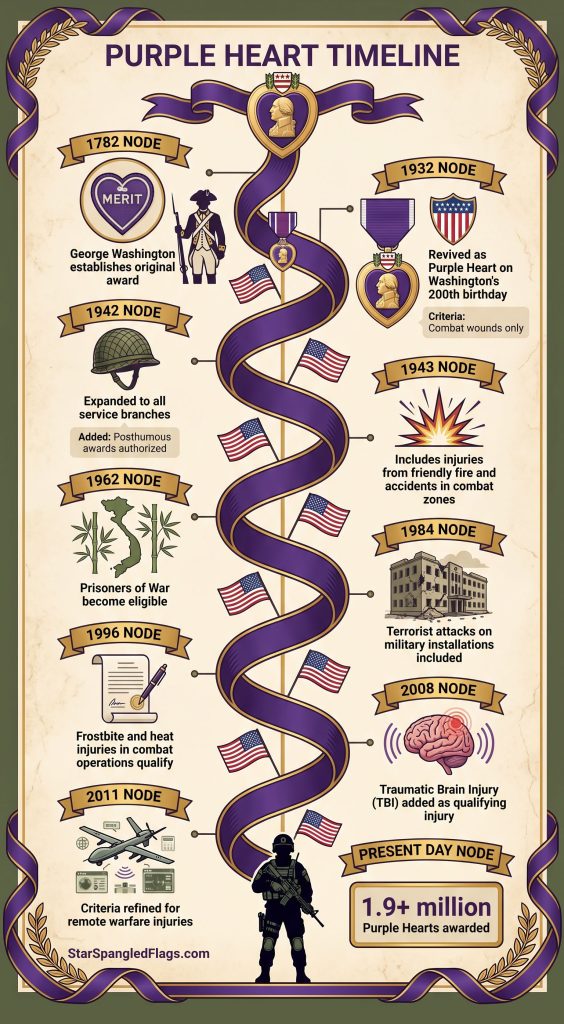
| Key Milestone | Year | Historical Significance |
|---|---|---|
| Establishment | 1782 | George Washington creates the Badge of Military Merit. |
| Bicentennial Revival | 1932 | Gen. Douglas MacArthur revives the award as the Purple Heart. |
| Inclusion of Navy & Marines | 1942 | Executive Order 9277 extends eligibility beyond the Army. |
| Posthumous Expansion | 1942 | Criteria updated to include those killed in action. |
| Terrorism & Friendly Fire | Modern Era | Expanded to include non-traditional combat injuries. |
The National Purple Heart Hall of Honor and the MOPH
The legacy of the Purple Heart is actively preserved and supported by dedicated organizations and national landmarks.
The National Purple Heart Hall of Honor (New Windsor, NY)
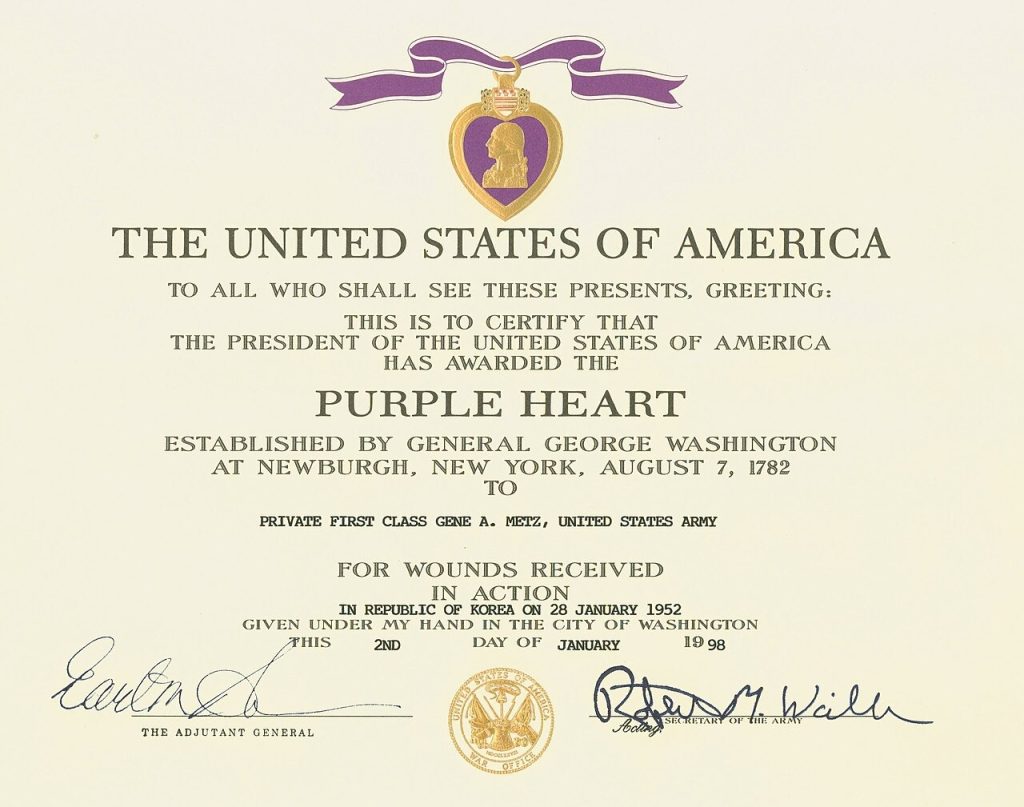
Located in New Windsor, New York—just a short distance from the site where George Washington first issued the original Badge of Merit in the Newburgh, New York area—the National Purple Heart Hall of Honor is a sanctuary of remembrance. This institution is dedicated entirely to collecting, preserving, and sharing the individual stories of Purple Heart recipients. Visitors can explore personal testimonies, historical artifacts, and interactive exhibits that detail the human side of combat.
The Military Order of the Purple Heart (MOPH)
Formed in 1932 and Congressionally chartered in 1958, the Military Order of the Purple Heart (MOPH) is an exclusive veterans’ organization. Uniquely, its membership is composed entirely of combat wounded veterans. The MOPH is dedicated to fostering protection, providing critical veteran support, and advocating for wounded warriors and their families. Through local chapters, the MOPH works alongside the Department of Veterans Affairs (VA) to ensure that recipients receive the healthcare, rehabilitation, and disability benefits they earned on the battlefield.
How to Observe National Purple Heart Day on August 7
Observing National Purple Heart Day is about more than just remembering historical facts; it is about taking active, tangible steps to show gratitude to those who live with the physical and psychological scars of war.
Presidential Proclamations and Local Recognition
Each year, the sitting President issues a official Presidential Proclamation calling upon citizens to observe National Purple Heart Day with appropriate ceremonies and activities. Across the country, state legislatures, local municipalities, and veterans’ cemeteries (such as Arlington National Cemetery) hold localized events, memorial services, and flag-lowering ceremonies to honor local heroes.
Practical Ways to Honor Recipients
If you are looking for meaningful ways to participate in this day of recognition, consider these impactful actions:
- Display the Flag: Fly the American flag at your home or business. If local or federal guidance suggests doing so, fly it at half-staff to honor those killed in action.
- Support the MOPH: Donate to or volunteer with local chapters of the Military Order of the Purple Heart to fund vital veteran support services.
- Listen and Learn: Visit the National Purple Heart Hall of Honor or research the stories of Purple Heart recipients in your own family or local community.
- Educate the Next Generation: Use your social media platforms or community newsletters to share the history of the award, helping to keep American military history alive.
- Express Direct Gratitude: If you personally know a Purple Heart recipient, take a moment to say, “Thank you for your service and sacrifice.”
Why We Must Never Forget: The Legacy of Valor
More Than Just a Medal
Within military culture, the Purple Heart holds a unique, almost sacred status. It is often described as “the award no one wants to earn, but everyone respects.” Unlike medals awarded for specific actions of leadership or strategic planning, the Purple Heart is a silent witness to the exact moment a service member was placed in harm’s way and paid a physical price for their country.
Supporting the Modern Service Member
The legacy of the Purple Heart is not a static piece of the past; it is an active, ongoing chapter of the present. As modern members of the Armed Forces continue to deploy worldwide, new recipients are added to the rolls. We must remain committed to supporting these heroes long after they leave the battlefield. This means ensuring they receive elite-tier medical care, psychological support, and community integration through the VA and private advocacy groups.
Going Forward
The enduring legacy of George Washington’s original “Badge of Military Merit” lives on in the modern Purple Heart. Each year on August 7th, National Purple Heart Day serves as a solemn reminder that our nation’s freedom is built upon the courage, sacrifice, and gallantry of ordinary citizens who answered the call of duty. This year, make a conscious effort to participate in this day of recognition. Let us ensure that the sacrifices of our combat wounded and fallen heroes are never forgotten, and that we actively support the brave men and women who continue to protect our liberties today.
Consider Sharing
If this post has helped you, please take a moment to share it with someone you know in your social accounts or email. The more people who know this information, the better America will be.








About the author
Barry Mason is a proud third-generation American whose grandfather served in World War II. Born and raised in small-town Tennessee, Barry developed a deep appreciation for American history and traditions from an early age, learning about the sacrifices made by previous generations. Barry has spent over a decade writing about flag etiquette, patriotic traditions, military history, and the stories behind America's most cherished symbols. When he's not researching the fascinating history of Old Glory, you can find Barry volunteering at veterans' events, coaching youth baseball, or exploring America's national parks with his family. A firm believer in supporting American manufacturing and small businesses, Barry is passionate about celebrating the craftspeople who keep American traditions alive. He lives with his wife and two children in a home where the American flag flies proudly every day. Favorite quote: "Freedom is never more than one generation away from extinction." - Ronald Reagan